

North Pole Engineering: STEAM Labs for Holiday Stories
Transforming themes from The Polar Express, Dasher, and How to Catch an Elf into quick, tiered STEAM challenges.
December often feels a bit like a string of tangled Christmas lights. There’s the beauty and magic you love about this season, but also a touch of chaos with all the festivities, events, and that gift you bought months ago… but can’t find. It leaves you craving a little simplicity right about now.

I originally planned to share a set of quick STEAM challenges inspired by classic books this week, but as the weeks unfolded I leaned into the magic of the season. And the North Pole Engineering Labs were born.
These labs include three quick 15–20 minute STEAM lessons inspired by some of our favorite holiday books. Each one blends early engineering with physical science concepts, like light and shadows, force and motion, sound and vibration, with a touch of seasonal magic.
They’re intentionally simple to prepare and flexible enough to fit into tight December schedules or last-week-before-break classroom rhythms.
On the Bookshelf
If you’ve been here a while, you know that all KidLit Grove curriculum begins with picture books. Here’s a peek at the stories that sparked the North Pole Engineering Labs:
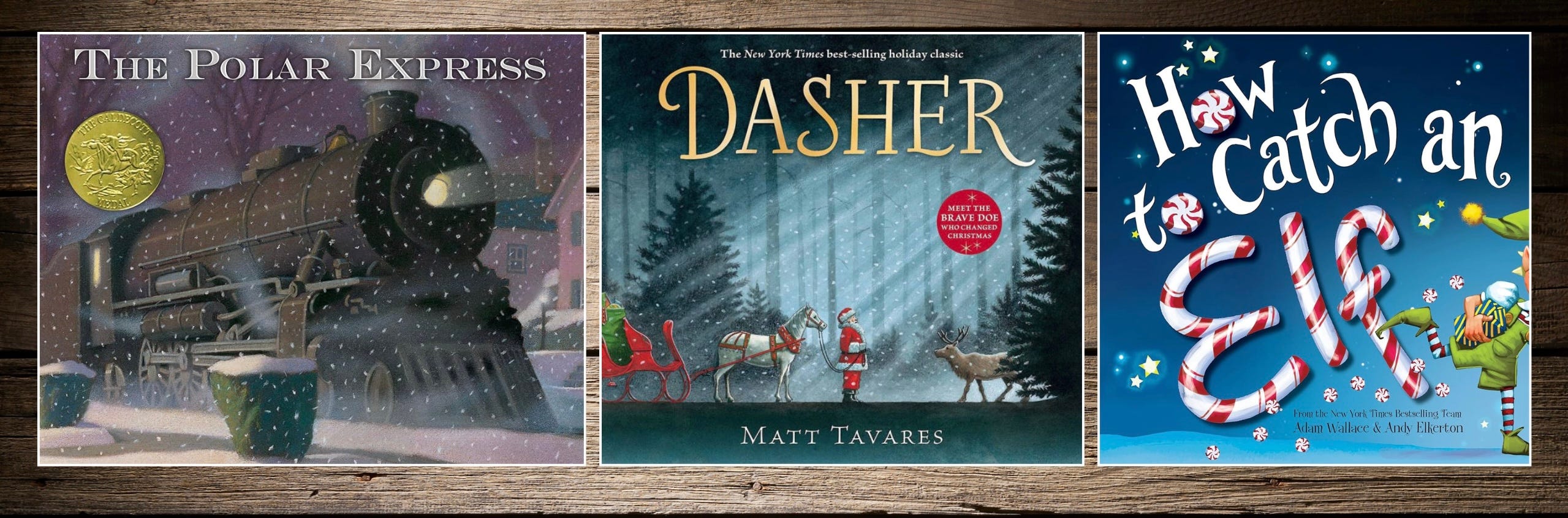
The Polar Express by Chris Van Allsburg
One of our favorites! Its themes of belief and light make it a natural invitation to explore shadows, distance, and the illusions they create.
Dasher by Matt Tavares
This timeless tale of courage and a search for belonging gives us the perfect starting point for building pathways, and thinking about the forces and friction that make safe travel possible.
How to Catch an Elf by Adam Wallace
A silly, action-filled read that offers a fun excuse to experiment with material properties. Our favorite challenge? Engineering the quietest and noisiest elf boots!
The North Pole Engineering Labs
Each lab follows a three-tiered structure with leveled task cards, giving every K–2 student an accessible entry point and room to grow. They’re short enough for a quick STEAM block, yet offer opportunities for impactful learning.
Here’s an overview of the labs:
Santa’s Sleigh Shadow Decoder
Inspired by The Polar Express, students become Shadow Engineers as they explore how light and shadows behave.
The levels progress from observing shadow changes to engineering a functional “Decoder Sleigh” that reveals a hidden shape, which is an engaging tie-in to The Polar Express and a fun way to model growth mindset and iteration.
Sneaky Elf Sound Lab
In this playful challenge inspired by How to Catch an Elf, students act as Sound Engineers to help a mischievous elf design two pairs of boots: one whisper-quiet and one extra noisy.
Students explore sound, vibration, and friction by experimenting with materials, comparing prototypes, and using a simple sound scale to measure loudness. It’s open-ended, lighthearted, and encourages playful discover through testing and improving.
Runaway Reindeer Engineering Lab
Inspired by Dasher, students become Escape Engineers tasked with creating a safe track for a runaway reindeer. With materials like tubes, cups, cardboard, and rulers, students experiment with slope, force, motion, and friction to design, test, and refine their track.
Ready to Climb Aboard?
Paid subscribers can download the full North Pole Engineering Lab bundle at the bottom of this post.
If subscribing isn’t on your radar right now, you can always visit the KidLit Grove Store to purchase individual lessons:
Runaway Reindeer Engineering Lab
And whether you’re looking for new ideas, seasonal inspiration, or ready-to-use resources, I’d love for you to follow along — free or paid! There’s always something new in the works, and I’m so grateful you’re here.
Up Next for The STEAM Lab
January 26: in honor of International Environmental Education Day, I’m excited to release a brand-new curriculum unit based on MUD TO THE RESCUE! HOW ANIMALS USE MUD TO THRIVE AND SURVIVE by Tanya Konerman and Melanie Cataldo.
This fantastic book was recently nominated as an Outstanding Trade Science Book by the National Science Teachers Association, and it’s packed with authentic, kid-friendly science!
Here’s a peek at what’s inside this curriculum:
Project-Based Learning Unit: a 2-3 week exploration where students investigate how animals use mud to adapt to extreme climates and environmental challenges. Acting as eco-engineers, they explore mud’s insulating and structural properties, then design and test a “Nature-Smart Shelter” that mimics an animal’s natural solution for cooling, heating, or protection.
Play-Based Workshop (K-2): In this sensory-rich workshop, young learners explore the many ways mud helps animals live, build, and stay safe. Through rotating stations, they mix, test, and create with mud while discovering its unique textures and purposes.
Mentor Text Analysis (2-5): students discover how authors turn science into story by giving voice and energy to something ordinary. In this case, mud. Through read-aloud excerpts, students identify examples of personification, vivid verbs, and sensory language that make the text come alive. Then, they’ll experiment with applying the same techniques to their own short writing piece by choosing a natural element (like rain, rocks, or wind) and imagining how it “helps” or “rescues” the world around it.
The Children’s Book Resource Hub has received several new entries for educators to explore! Take a peek at free and accessible resource libraries, author visit information, and educator guides and lessons — all based on themes and concepts from books.
If you’re receiving this email, you’re subscribed to KidLit Grove’s The STEAM Lab. To manage your preferences, visit KidLit Grove’s homepage, click on your avatar in the top right, and Manage Subscription.
Do you know an educator who would benefit from KidLit Grove’s curriculum? Consider gifting a subscription so they receive unlimited access to our library!
